Ghana Intensifies Efforts to Achieve Health-Related SDGs
Ghana’s pursuit of the Health and Health-related Sustainable Development Goals (HHSDGs) has advanced significantly following a strategic stakeholder engagement involving key actors, including government agencies, development partners, the private sector, civil society organisations, academia, and research institutions.
The engagement, themed “HHSDGs Implementation, Progress, Achievements and Opportunities in Ghana,” focused on reviewing progress, identifying challenges, and charting a strategic path forward.
The workshop served as a platform to strengthen Ghana’s health system, address maternal mortality, and improve health outcomes, particularly in rural and underserved areas. Key areas of focus included primary health care, disease prevention, mental health, pandemic preparedness, and health financing.
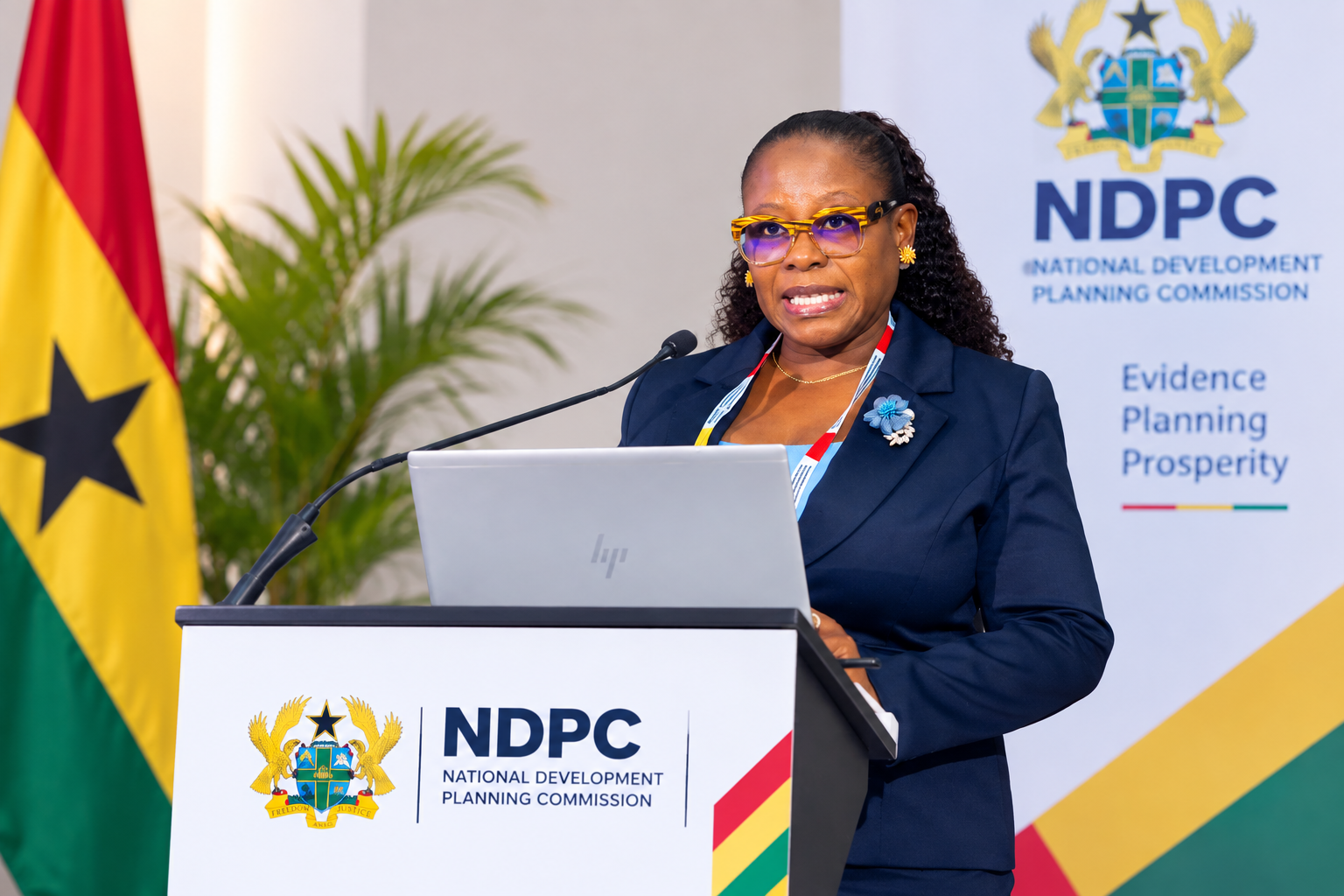
Delivering a keynote address on behalf of the Director-General of the National Development Planning Commission, Mr. Michael Kissi Boateng emphasised the importance of health in sustainable development, stating, “Health is not simply one of seventeen global goals. It is a central pillar of sustainable development. It underpins productivity, social cohesion, poverty reduction, education outcomes, gender equity, and economic competitiveness.”
According to Mr. Kissi Boateng, Ghana has recorded significant progress in implementing the HHSDGs, including expanded geographical access to health services, improved immunisation coverage, and strengthened primary health care delivery. However, he noted that challenges persist, including uneven progress across indicators and population groups, quality of care concerns, and financing pressures.
He further emphasised the need for a multisectoral approach, saying, “The SDGs were designed around interdependence. HHSDGs cannot be delivered by the health sector alone. Emergency referrals depend on effective road networks and transport services. Reliable electricity supply determines the functionality of theatres, laboratories, and cold chains.”
“We must acknowledge that progress has not been uniform across all indicators and population groups. Maternal mortality remains one of the most sensitive indicators of health system performance,” Mr. Kissi Boateng added.
Prof. Frederick Ato Armah, Convener of the HHSDGs Think Tank Ghana, highlighted the importance of multisectoral collaboration, stating, “The SDGs challenge us to think beyond sectoral mandates. They require political leadership, sustainable financing, institutional coordination, and public trust.”
Prof. Armah further emphasised the need for a holistic approach, saying, “We must recognise that health is not just a social service, but a driver of economic transformation, social stability, and national resilience. We need to prioritise health investments and ensure that our development policies are people-centred.”
Mrs. Levlyn K. Asiedu, Director of Proceedings, underscored the need for evidence-based decision-making, stating, “We need to examine the evidence with clarity, celebrate what is working, and confront honestly and constructively areas where we are falling short.”